
6 Myths About Karma
Discover the real meaning of karma beyond superstition and fear. Learn why karma is not fate, fixed, or instant; and how awareness, not ritual or renunciation brings freedom.

And the Deeper Truths that Dissolve Fear, Blame, and Spiritual Confusion
Karma is one of the most discussed and misunderstood spiritual principles. Over centuries, it has been simplified into fear-based or fatalistic ideas; turning a profound law of consciousness into superstition or moral bookkeeping. The truth is far more liberating.
Karma is not a cosmic punishment system, nor a divine scoreboard. It is the natural unfolding of energy; thought, word, and action, returning to its source for integration and understanding. But our misconceptions about it often block healing and insight.
In this post, we will dismantle six persistent myths about karma that keep seekers trapped in confusion. From the belief that karma is fate or fixed, to the idea that rituals or renunciation can erase it, each myth hides a deeper wisdom about how life, consciousness, and free will truly interact.
Understanding these truths can transform guilt into growth, destiny into empowerment, and the past into a teacher rather than a prison.
Myth 1: Karma Is Fate

The idea that karma is fate can feel suffocating, as though our lives are already scripted, and we are powerless actors on a stage. Many people inherit this belief, mistaking karma for destiny. But karma is not a prison. It is a set of conditions shaped by past choices, while free will directs how you respond to those conditions.
Karma Sets the Stage, Free Will Directs the Play
Think of karma as the arena you are placed in - your body, your family, your culture, your circumstances. Free Will is the move you make within that arena. Together, they weave the story of your soul's journey.
Karma = the conditions you are born into.
Free Will = the decisions you make that shape what happens next.
Why Karma is not Fate
- Dynamic Flow: Karma unfolds in cycles, not in a fixed script. Each choice plants new seeds, changing the trajectory.
- Free Will Power: Even in limiting circumstances, how you choose to respond creates new patterns.
- Evolutionary Design: Karma exists to teach, not to trap. Once a lesson is integrated, the cycle no longer binds you.
Example:
Imagine someone born into poverty. That condition may reflect karmic seeds from the past, but it is not their permanent destiny. Through resilience, service, or inner growth, they may transform not only their life but the lives of others. Karma provided the arena, free will rewrote the script.
Believing karma is fate creates helplessness. Understanding karma as dynamic restores empowerment. You are never bound to repeat endlessly; each moment is a new seed, a new chance.
Myth 2: Karma is Fixed and Unchangeable

One of the most discouraging beliefs about karma is that once created, it cannot be changed, that your past defines you forever. But karma is not static. It is a living current, constantly reshaped by awareness and new choices.
Why Karma Feels Fixed
- Strong Patterns: Repeating cycles can seem unbreakable.
- Forgetfulness: We do not always recall the original cause, making it feel like fate.
- Conditioning: Social and cultural beliefs reinforce helplessness.
Karma as a Living Flow
Every karmic seed is a potential, not a prison. While past causes set conditions, how you respond determines whether the cycle repeats or dissolves. Awareness breaks unconscious reactions. New choices plant new seeds. Transformation is always possible.
Example:
Someone may carry the karmic tendency of addiction. At first, it feels like destiny. But through awareness, discipline, and healing, the pattern can be transformed. The karmic energy is not erased but redirected into growth.
Karma is a teacher, not a jailor. The moment you awaken awareness, the binding force loosens. Every breath offers a chance to reshape the flow.
Myth 3: Karma Is Instant
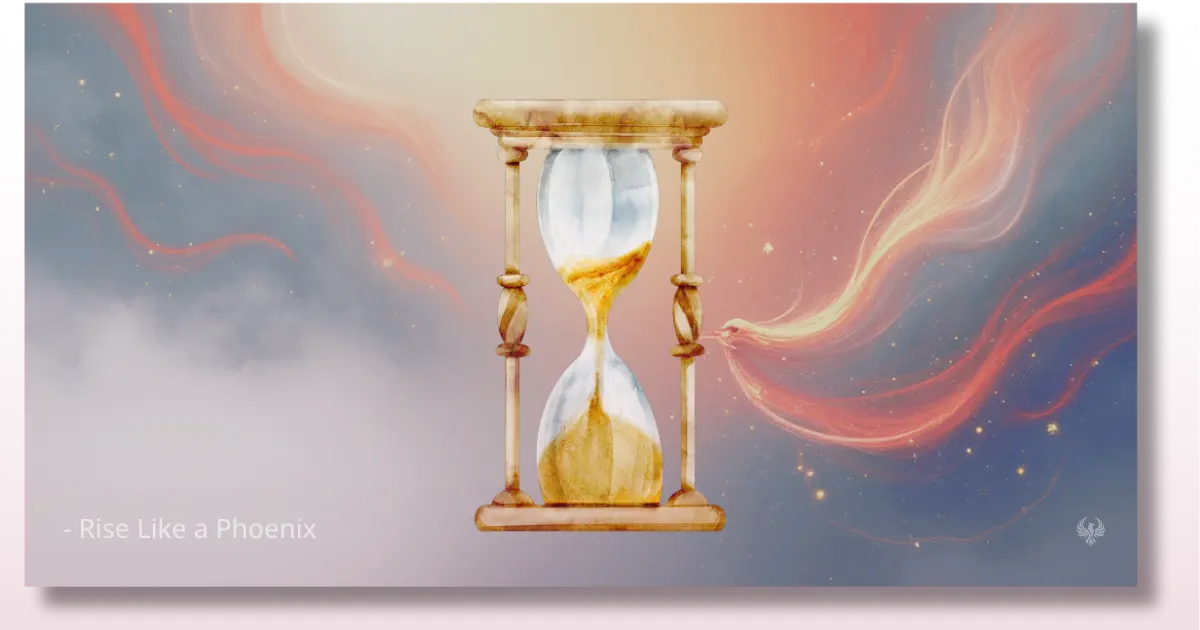
How many times have you heard someone say, "That's instant karma!" when something bad happens right after a careless act? It is a catchy phrase, but it reduces karma to a quick cosmic payback system.
In truth, karma does not operate on human timelines. Some karmic seeds ripen quickly, while others wait years, or even lifetimes, before they bear fruit. Understanding why helps us release fear and develop patience in our spiritual journey.
The Seed and the Season
Karma works like planting seeds. A mango seed may sprout in weeks, while a banyan tree takes years to mature. Both are alive from the moment they are planted, but each requires the right conditions of soil, water, and season to grow.
Karmic seeds are similar. The cause is planted through thoughts, actions, or intentions, but the effect manifests only when the right conditions align. Sometimes this happens instantly (like when a sharp word creates immediate hurt and comes back to us as retaliation). Other times, the energy lingers in the subtle body until life presents the right stage for it to unfold.
Why Delay Happens
There are several reasons why karmic effects do not appear right away:
- Soul Readiness: Some lessons require maturity of consciousness before they can be integrated. The delay ensures you encounter them when you are ready to learn.
- Supporting Cast: Karma often involves other souls. Effects wait until the right people and circumstances are in place for the lesson to unfold.
- Multiple Lifetimes: If the conditions are not available in this life, the seed may lie dormant until a future incarnation.
So, when karma feels delayed, it is not because it has disappeared. It is waiting for the right moment to teach the lesson most effectively.
Quick Karma vs Delayed Karma
Spiritual texts describe both druta karma (fast karma) and baddha karma (bound or delayed karma).
Quick Karma: You lie, and soon after, you face betrayal. The cause and effect are linked closely, making the lesson easy to trace.
Delayed Karma: You exploit someone in a past life, and lifetimes later, you find yourself in a position of powerlessness. The distance in time makes the connection harder to see, but the law of balance is still operating.
Why Instant Karma Misleads Us
Thinking of karma as instant reinforces fear and superstition:
- It makes people believe the universe is punishing them for every small mistake.
- It turns karma into a simplistic moral scoreboard rather than a compassionate teacher.
- It discourages patience in inner growth.
The truth is far more empowering: karma is not about when something happens, but how consciousness evolves through what happens.
Reflection: Patience and Responsibility
Instead of waiting for instant payback, we can cultivate patience and presence. When we plant seeds of compassion, truth, and clarity, we trust that they will ripen, in their own time. When we see difficulties arise, we ask, "What lesson is this inviting me to learn?" rather than "What did I do to deserve this?"
Karma is less about punishment and more about opportunity. The delay allows us to grow into the version of ourselves who can meet the lesson with awareness.
Myth 4: Good Intentions Cancel Bad Karma

A common misconception about karma is that good intentions can erase bad actions, as if one balances out the other. But karma is more precise than that. Each cause creates its own chain of effects.
The Precision of Karma
Every thought, word, or action plants a seed. A kind deed produces its fruit, just as a harmful act produces its own. Both grow according to their nature, regardless of whether we intended one to cancel the other.
Imagine planting a mango seed in a corner of a garden and a poisonous vine in another. The mango tree will bear sweet fruit. The vine will still grow unless it is consciously uprooted. The existence of one does not erase the other.
Why Good Intentions Are Not Enough
Good intentions may soften the heart and shape future karma, but they do not undo harm already set in motion. Karma is not about morality, it is about precision. Each cause must complete its cycle until awareness and responsibility dissolve its binding power.
How to Resolve Bad Karma
- Awareness: See the harm clearly instead of denying or ignoring it.
- Responsibility: Acknowledge your part in creating the cause.
- Corrective Action: Choose differently going forward; serve, heal, or make amends.
- Inner Transformation: Let meditation, prayer, or forgiveness burn the karmic seeds at their root.
The Takeaway
Good intentions and bad karma do not cancel each other because they belong to separate chains of cause and effect. Both coexist until transformed. The real power lies not in trying to outweigh the bad with the good, but in becoming conscious of what you are planting and tending.
Myth 5: Rituals Can Erase Karma

Rituals have power, but not the kind that overrides cause and effect. Lighting lamps, chanting mantras, or offering prayers may create punya (merit) and harmonize your inner field, but they do not delete the energy patterns born of past choices.
A ritual can cleanse the mind that created the karma, if it is done with true awareness. It can soften resistance, evoke remorse, and set new intention; all of which change the soil where karmic seeds grow. But without honest self-correction, ritual becomes spiritual cosmetic; fragrant on the surface, unchanged underneath.
True purification happens when action, thought, and will realign with truth. The most potent ritual is the living one: confession, restitution, mindfulness, and renewed conduct. Perform your ceremonies, but let them be reminders, not replacements, for inner work.
Rituals sanctify the journey; they do not skip the lesson.
Myth 6: Spiritual Growth Requires Rejecting the Material World

Renouncing the world is not the same as transcending illusion. The material plane is not a trap; it is a classroom. Every relationship, possession, and sensory experience is a field for awareness to awaken. Rejecting it outright is still attachment, only inverted.
Illusion (maya) is not the existence of form but our confusion about it. The world is not false; our identification with it is. Whether one lives in a monastery or marketplace, the work is the same: to see through form to essence. Freedom lies not in what you own or avoid, but in how awake you remain while engaging.
When you eat, love, create, or work without clinging to outcome, you sanctify matter with consciousness. Spirit does not flee from form; it inhabits it, transforms it. The enlightened path is integration: embodying the divine through the physical, not despite it.
Matter is the mirror through which Spirit recognizes itself.
Conclusion: Living Beyond Karmic Myths
Each of these six myths reveals a piece of the same misunderstanding: that karma is something done to us rather than expressed through us.
- Karma is not fate: You are not condemned by destiny; you are co-creating it.
- Karma is not fixed: Change the intention, and the trajectory shifts.
- Karma is not instant: Growth ripens in divine timing.
- Good intentions do not cancel bad karma: Only awareness and right action do.
- Rituals cannot erase karma: They can only empower real transformation.
- Rejecting the material world is not freedom: Awareness within it is.
Karma is not a cosmic jailor. It is the architect of evolution itself. It keeps offering you mirrors until you see the Self clearly. Once seen, the mirror dissolves.
So instead of fearing karma, learn from it. Reflect. Repair. Reorient. Every act done with consciousness purifies the field and brings you closer to liberation; not by escape, but by realization.
When awareness ripens, karma becomes wisdom.
What fears or beliefs are you ready to release today?
How does that release help you to grow spiritually?
If this post resonates, share it with someone who feels stuck in karmic cycles.
If you are ready to explore more, read "What is Karma? The Ultimate Guide to the Law of Cause & Effect Across Thought, Action, and Consequence" for a deeper understanding on what karma is and how it works.
Explore divine timing, soul lessons, and the hidden balance behind life's apparent injustices in "Why Good People Suffer and Bad People Thrive: A Karmic Perspective on Justice, Timing, and Unseen Causes"
Explore forgiveness not as obligation, but as a gradual process of release in "Forgiveness Through Karma: A Grounded Approach to Release, Responsibility, and Inner Freedom"