
Kundalini & the Nervous System
Discover how kundalini interacts with the nervous system. Learn the science behind spiritual sensations, emotional intensity, vagus nerve activation, and how the body rewires during awakening.

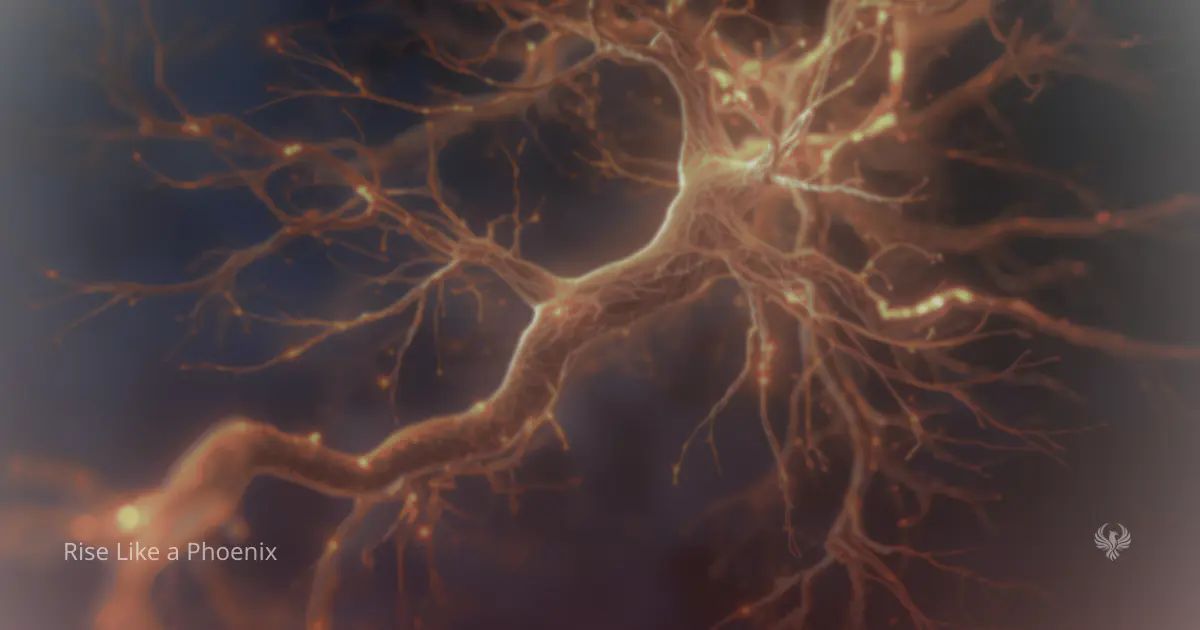
A Science-Aligned Perspective on Inner Transformation and Regulation
This guide explores kundalini and the nervous system through a symbolic and experiential lens. It is not medical advice, nor is it a substitute for professional diagnosis or treatment.
Nervous system descriptions here are intended to support understanding of spiritual processes, not to make clinical claims. If you have concerns about your health, always consult a qualified medical or mental-health professional.
Kundalini awakening is often described through spiritual symbolism - rising serpents, inner fire, shakti, or expanded consciousness. But beneath the metaphor is something equally profound: a real physiological process unfolding through the nervous system.
This does not reduce kundalini to biology.
Instead, it reveals how the body becomes the instrument of awakening.
Understanding the nervous system's role removes fear, stabilizes the journey, and helps you recognize what is spiritual, what is physiological, and how both work together to evolve consciousness.
Kundalini Is Not "Just Energy" - It Is an Organizing Intelligence
While prāna flows through the body moment-to-moment, kundalini interacts with the nervous system in a deeper way.
It reorganizes how the brain, spinal cord, and peripheral nerves receive, process, and interpret experience.
This is why kundalini awakening changes:
- sensory sensitivity
- emotional depth
- memory retrieval
- intuition
- perception
- sense of self
Kundalini is not merely intensifying energy; it is restructuring the system that manages energy.
Kundalini transforms consciousness by transforming the body that holds consciousness.
The Autonomic Nervous System & Awakening
The autonomic nervous system (ANS) governs:
- heart rate
- breath
- digestion
- stress response
- emotional reactivity
It has two main branches:
- Sympathetic (activation, stress, alertness)
- Parasympathetic (rest, integration, repair)
Kundalini awakening often cycles between these two poles:
Sympathetic Activation:
- heat
- tremors
- heart pounding
- pressure in the spine
- sudden emotional intensity
- spontaneous breathing shifts
Parasympathetic Expansion:
- deep calm
- bliss
- expanded perception
- emotional release
- spaciousness
- altered sense of time
These oscillations are normal and represent the nervous system rewiring itself for higher coherence.
The Vagus Nerve's Role in Spiritual Awakening

The vagus nerve is the primary channel through which emotional memory, safety, intuition, and embodiment flow.
Kundalini interacts strongly with the vagus because it influences:
- throat sensations
- heart expansion
- gut intuition
- emotional waves
- tears
- voice changes
When kundalini rises through the central channel, the vagus nerve becomes a conduit for:
- emotional purification
- intuitive knowing
- spontaneous relief or crying
- feelings of surrender or devotion
This is why many people feel:
- deep compassion
- overwhelming love
- grief release
- truth-telling impulses
These are physiological expressions of spiritual opening.
Why the Spine is Central to Kundalini
The spinal cord acts as the physical counterpart of the sushumna nāḍī - the central subtle channel described in yogic traditions.
As kundalini becomes active, many people feel:
- tingling
- heat or cool currents
- pulsations
- upward waves
- pressure between vertebrae
- sensations of expansion
These experiences correspond to changes in:
- nerve conduction
- myofascial tension
- cerebrospinal fluid flow
- autonomic regulation
- posture and breath patterns
Kundalini is not "in the spine", but it uses the spine as its main route of communication with the body-mind system.
Emotional Release Is a Sign of Regulation, Not Breakdown
During awakening, the nervous system begins releasing stored tension that was previously held for survival.
This can look like:
- crying "for no reason"
- shaking
- sudden relief
- buried memories resurfacing
- waves of anxiety or grief
- laughter
- spontaneous prayer or devotion
These are not symptoms of pathology.
They are somatic unwinding - the nervous system releasing what it no longer needs.
Emotional intensity during awakening is the body finally feeling safe enough to let go.
Why Overstimulation Happens & How to Prevent It

Kundalini increases sensitivity, but modern life overwhelms the nervous system. When the system is overloaded, you may experience:
- insomnia
- irritability
- light / sound sensitivity
- digestive shifts
- headaches
- social overwhelm
- feeling "too open"
This does not mean kundalini awakening is harmful.
It means the system needs grounding and pacing.
Grounding Practices That Support the Nervous System:
- slow exhalation breathing
- warm meals
- nature immersion
- gentle weight-bearing movement
- staying hydrated
- limiting stimulation during peaks
- journaling emotional cycles
These regulate both the body and the subtle channels kundalini uses.
Integration: Where Science and Spirituality Meet
You do not need scientific language to validate kundalini.
But understanding the nervous system can help you trust the process.
Kundalini awakening is a collaboration between:
- the subtle body (nāḍīs, chakras, granthis)
- the physical body (nervous system, endocrine system)
- consciousness (the witness, insight, identity shifts)
Spiritual traditions describe the meaning,
Science describes the mechanisms,
Your experience reveals the truth.
Closing Reflection
Kundalini is both mystical and biological.
It awakens consciousness and rewires the vessel that carries that consciousness.
When you understand how the nervous system participates in awakening, fear dissolves.
Your body becomes an ally,
Your sensations become guidance,
Your intensity becomes initiation.
Kundalini does not overwhelm you.
It reshapes you into the one who can hold more of your own light.
Learn the full landscape. Read "Kundalini Awakening - A Complete Guide to Signs, Stages, and Safe Practices for Integration".
Understand how kundalini and prāna move in "Kundalini vs Prāna: The Real Difference Between Two Vital Energies and How They Function in the Body".
You may also find these helpful:
- Grounding During Kundalini Awakening: Nervous System-First Practices for Stability, Regulation, and Safely Pacing the Awakening Process
- When the Body Awakens Before the Mind: Kundalini, Medicine, and Meaning